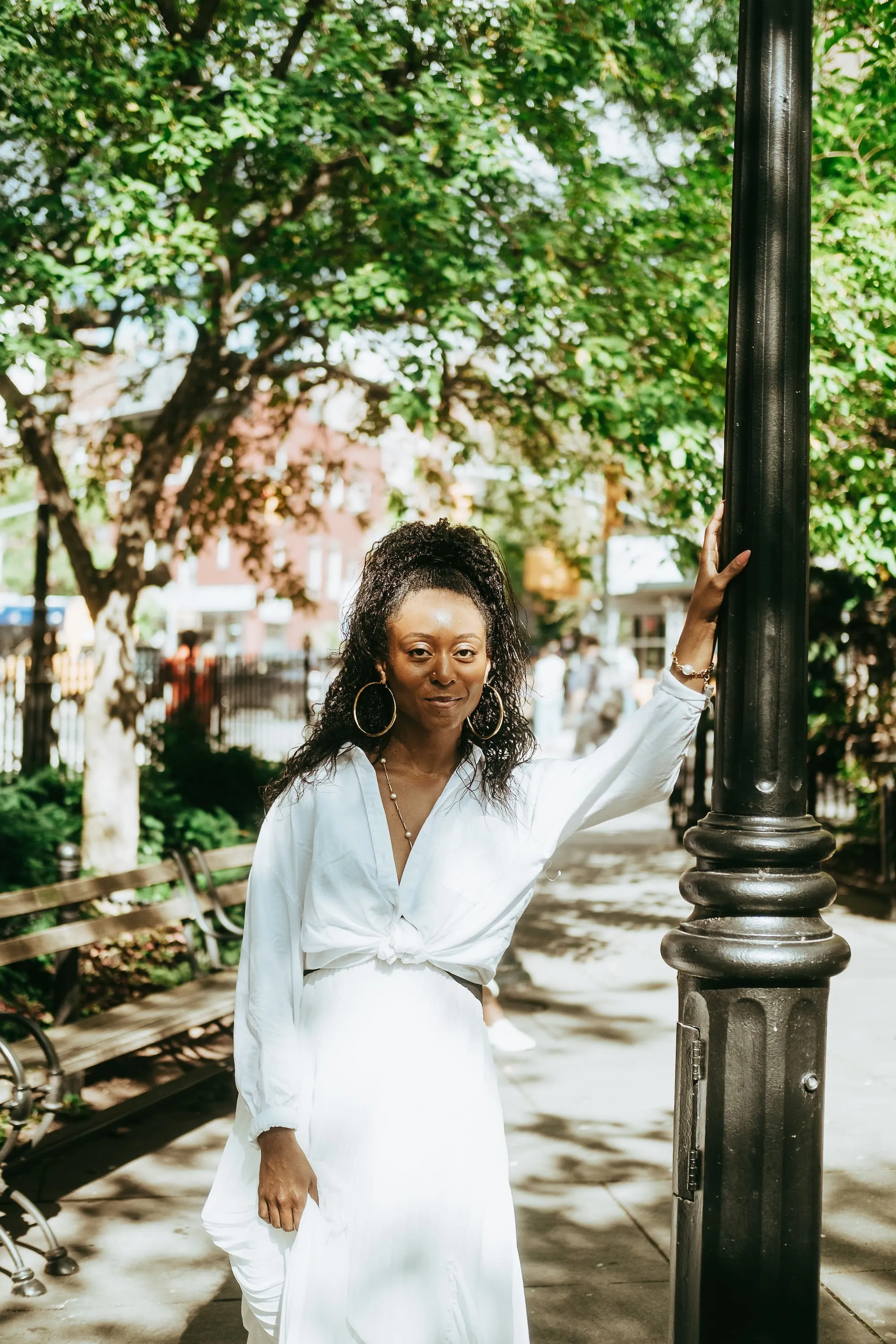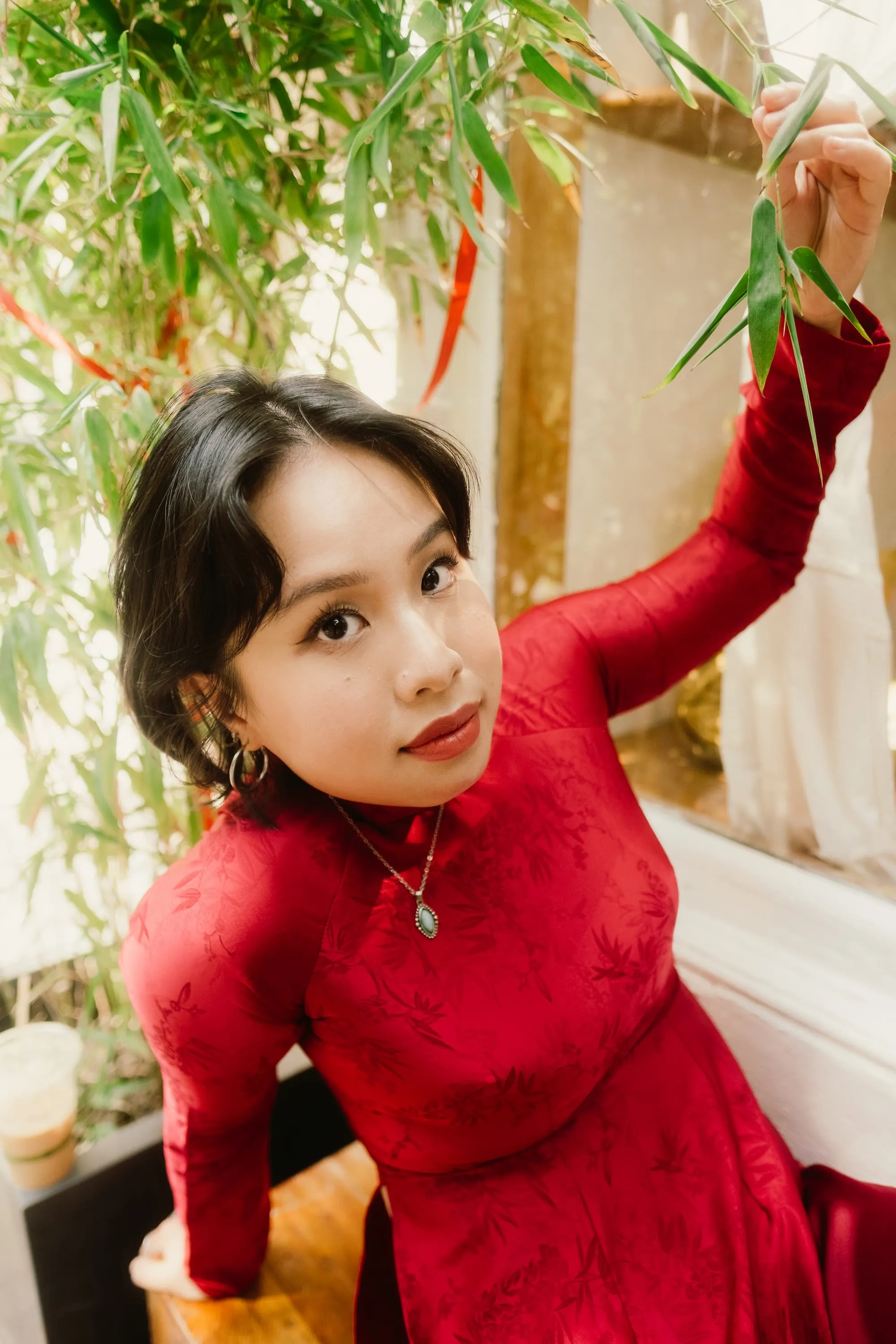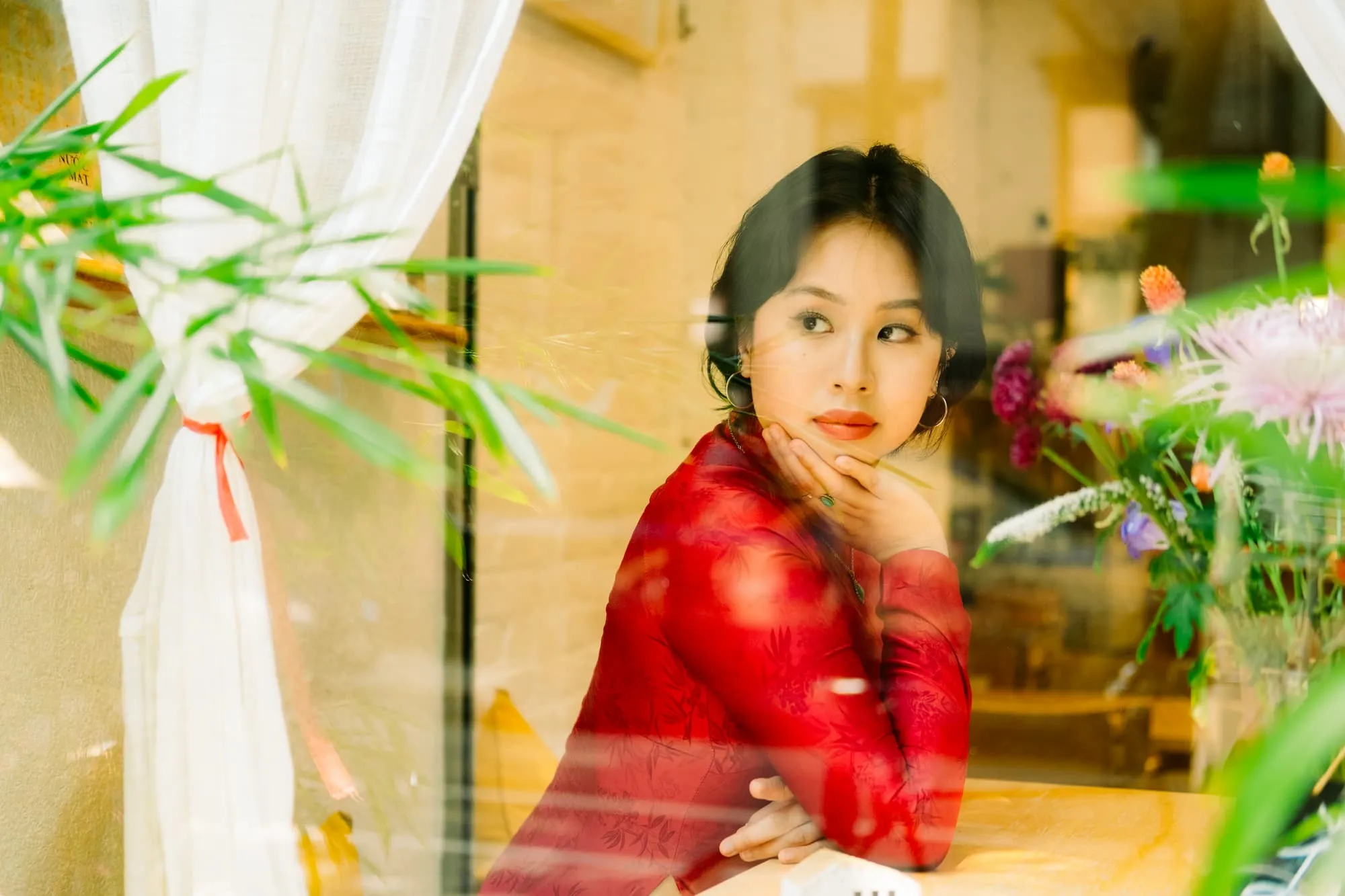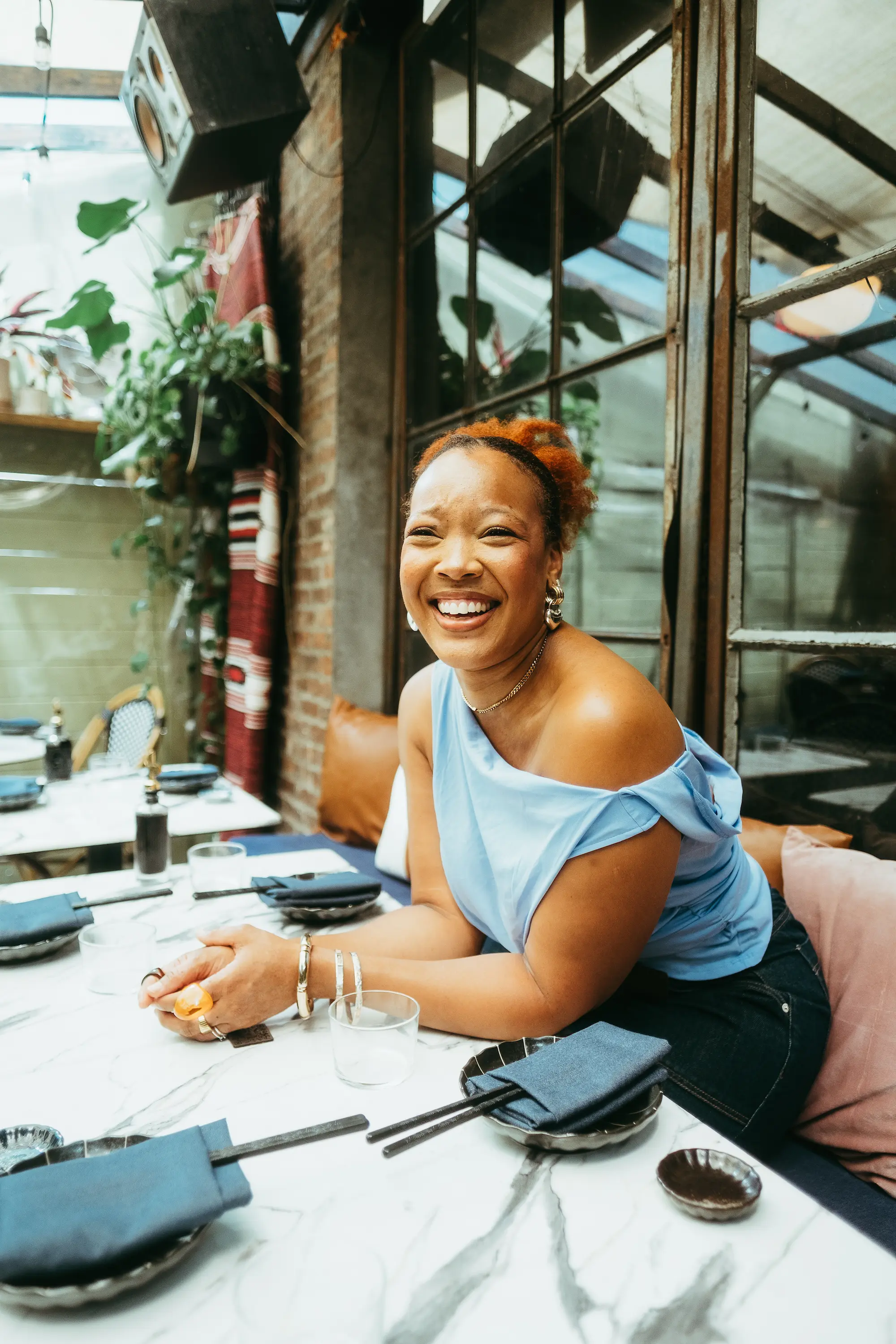


“Things are different for sure, but it’s also still the same shit. Sometimes I feel like I have let myself down. I’ll think, ‘Girl, what are we doing here?’ But it feels really good to create, because I still get to create.”
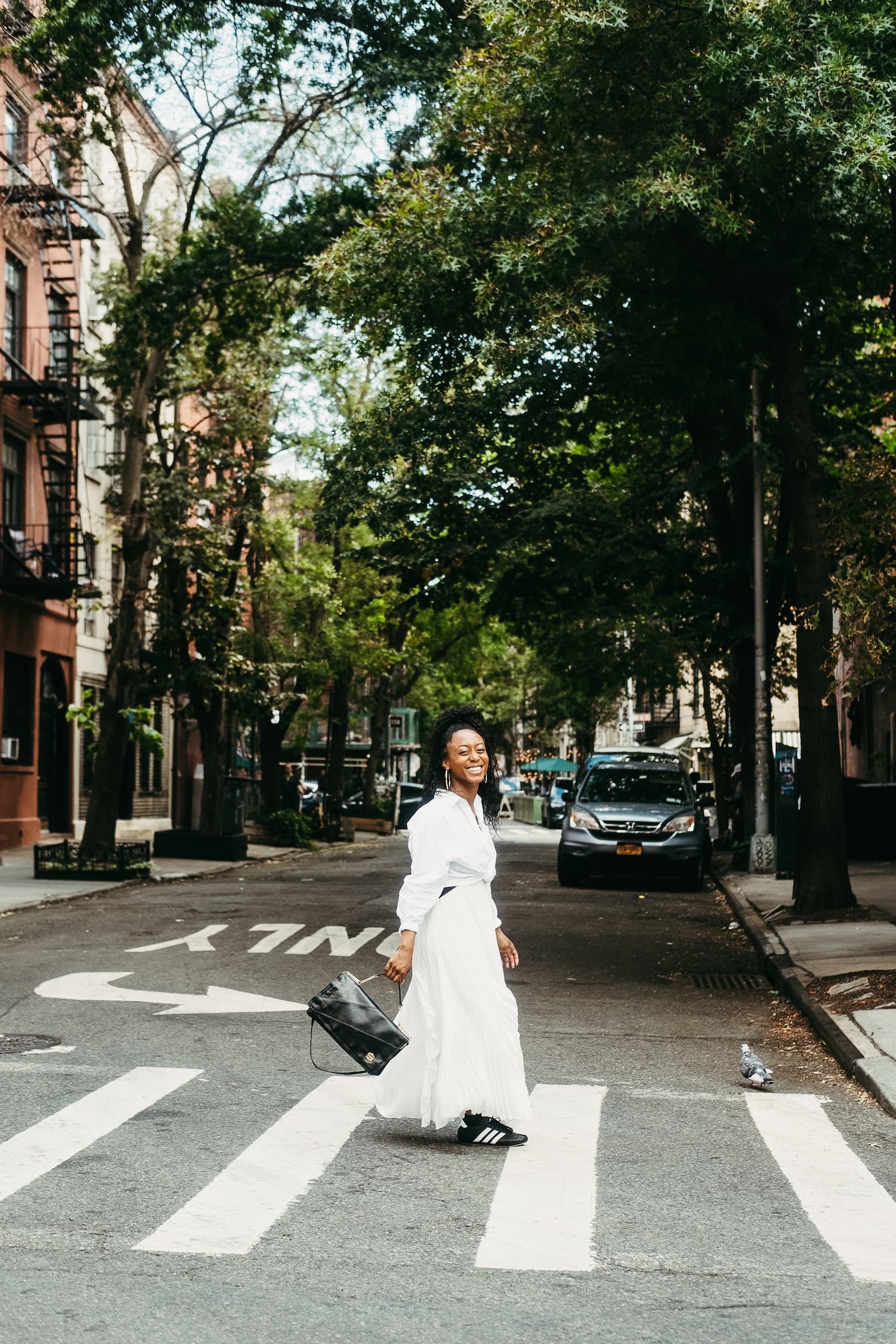
Moving all around the country, Janese reliably found restaurant work: waiting tables at an Irish pub in Michigan, serving at a celebrity hot spot while studying yoga and writing for Flaunt Magazine in Los Angeles, or keeping the books for Blue Hill in the West Village while studying creative writing during undergrad. With years of experience developing her perspective, Branden sees her return through a different lens. She views New York’s restaurant industry as a means to achieve a level of artistic freedom and learn from people she would never have otherwise encountered.
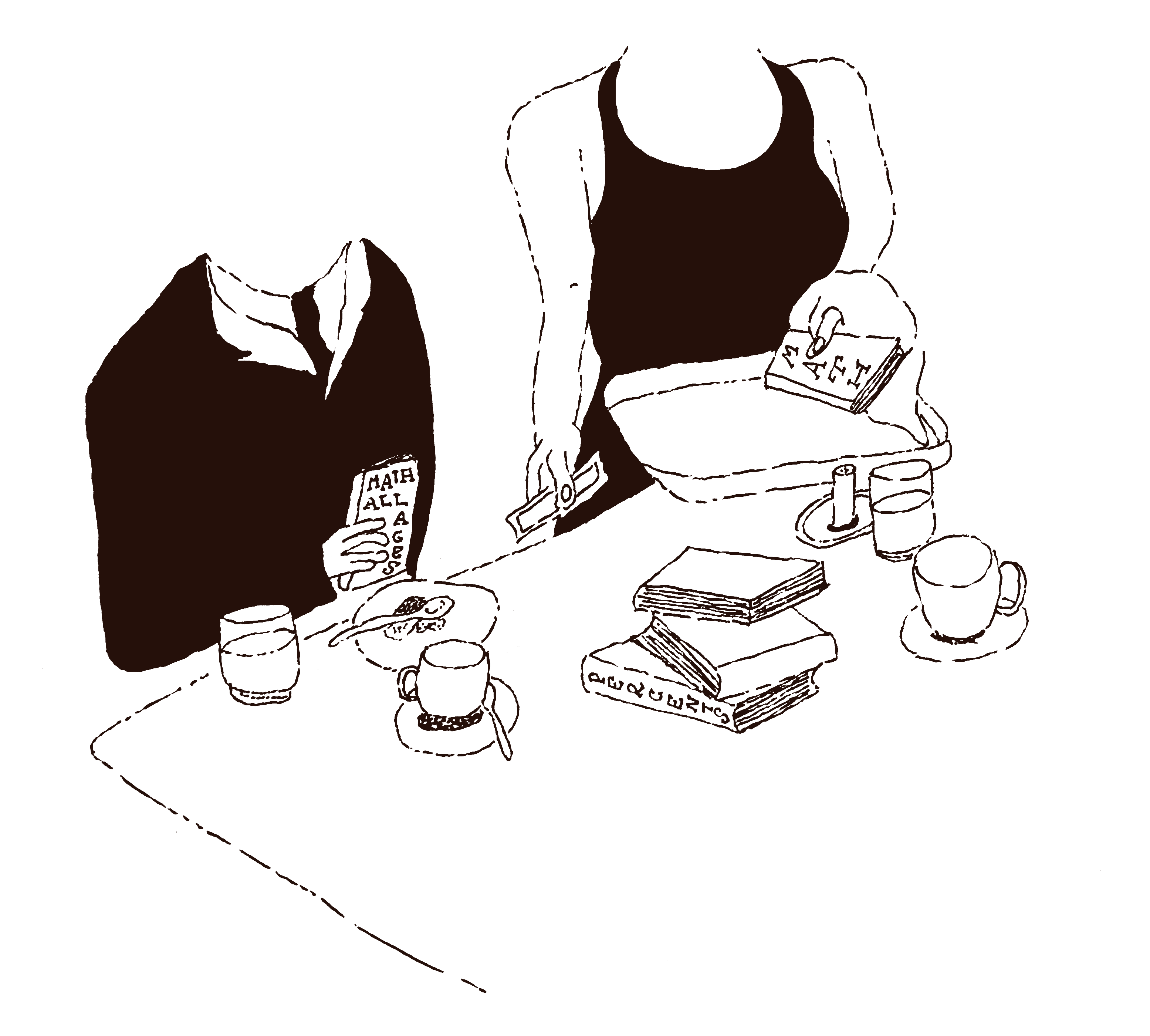
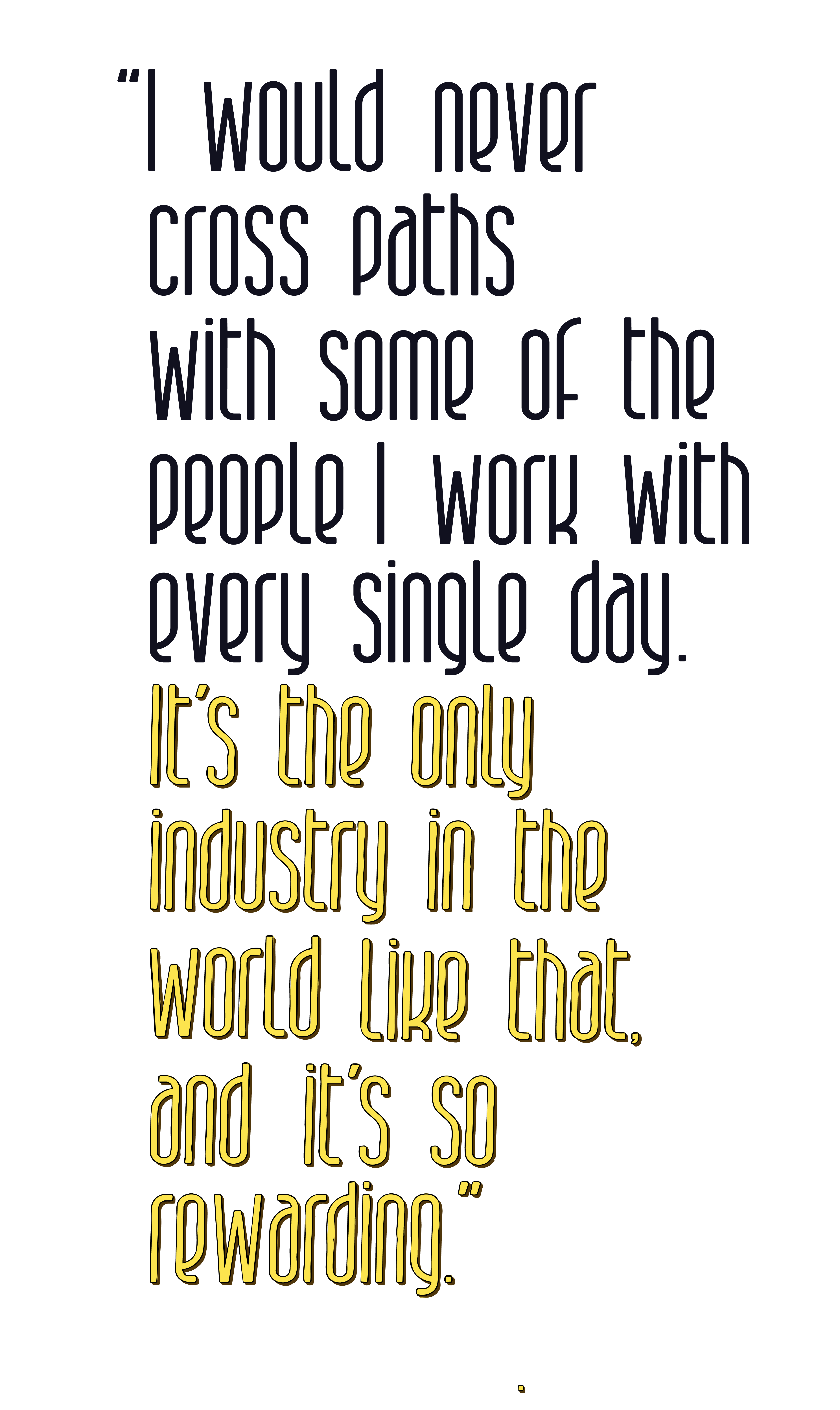
“The staff all live the same life for the six to eight hours we’re there — from the dishwasher to the manager. When we disperse at the end of the night, we may not have a single thing in common with each other. In other jobs, you tend to be around the same people as you. The restaurant industry is so unique because I would never cross paths with some of the people I work with every single day. It’s the only industry in the world like that, and it’s so rewarding.”
She’s able to appreciate the lifestyle benefits the industry creates for a number of its employees, while acknowledging the downsides of such a pressurized, fast-paced environment. As a developing critic, her eyes and ears work to understand the industry lifestyle accurately.
“Someone could get out and blow all their money at the bar next door because they know they’re going to make it all again the next night. That’s addicting.”
Ultimately, the writer thinks of the industry as the avenue she can use to continue to live in New York and write. She’s wrestled through the shame associated with returning to serving tables, thinking she’d left that life behind, but she’s come to identify her own — and many artists’ — positive relationship with restaurant work.
“There is a bit of shame that comes with working in the restaurant industry as a creative. A lot of people don't want to admit it, either because they want to be known only as whatever they're doing: singer, dancer, writer. There’s also something about being a server that society sees as maybe not a failure, but as a pass-through job. But now that I have been through this, I would tell an artist to do whatever they can to sustain themself. As an artist, you need that freedom, and that’s what being a server in the restaurant industry provides.”
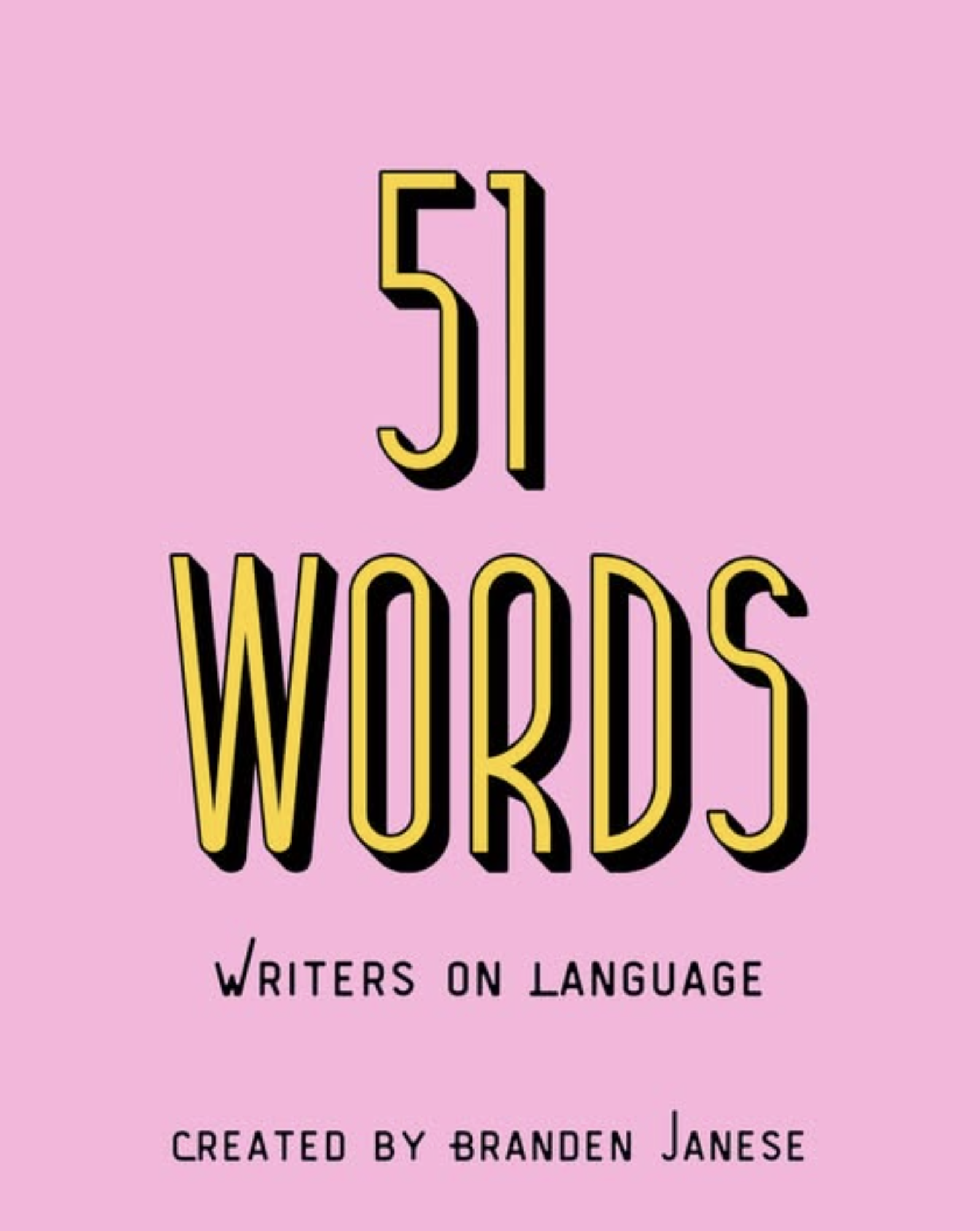
For Janese, the industry pushes her work forward and evolves her understanding of New York City. While searching for a publisher for 51 WORDS, she’s honing her critical voice through a fellowship with the Public Theatre Critics’ Cohort program, where she’ll be commissioned to digest and comment on works of art around the city. She’ll use the fellowship to further step into her role as a knowledgeable writer who creates honest and just bodies of work.
“I want to be fair to the art and the artist, but at the same time, when you offer a well-balanced and well-thought-out critique, it can not only help the artist, but the audience, too. Plus, I’ve never gotten a little shady with my writing.”
In addition to starting her fellowship, Janese is publishing pieces for LADYGUNNMagazine and reviving her cultural commentary podcast. With a developing critic’s mindset and an open eye to industry rhythms, Janese feels more motivated to advance her writing career than ever. She brings her thoughtful, hardworking, observant eye to every environment, knowing that she can uncover valuable gems anywhere. Retracing old steps brings heightened awareness to the stories only she can tell, reminding her that critical thought has always framed the narrative of her New York experience.