

I would draw on. Any
tangible element I could
find, like newspapers,
dresses or media collages.”
At every turn, Truong found herself desperately wanting to give up following in her family’s footsteps, knowing she’d only grow more miserable with every course registration period. In her mind, choosing an artistic career would sever herself from generations before her. She wouldn’t be able to look to her parents for career advice or relate to their experiences, and couldn’t see a clear way to align her passions with their altruistic focus. Standing in that shower during her first-year fall, she made the decision to do what she loves. Over a phone call with a close friend who was attending the Savannah College of Art and Design in Georgia, she bit the bullet: she applied to SCAD and transferred during her freshman year.
“It took me a while to accept it, even when I thought that it's something that I should be doing and embracing rather than fighting against it.”
Attending SCAD opened Truong’s eyes to what artistic expression in full force could do for her life. She made friends from similar backgrounds and felt closer to her authentic self than ever before. Finally, her surroundings matched the way she had always internally felt. She began expressing herself and learning how to pair her creativity with her experiences. She majored in brand advertising and marketing, where she learned how to make someone else’s idea pop by bringing her personal, unique twist to struggling brands in courses. Drawing every day, she illustrated the world through her own artistic lens
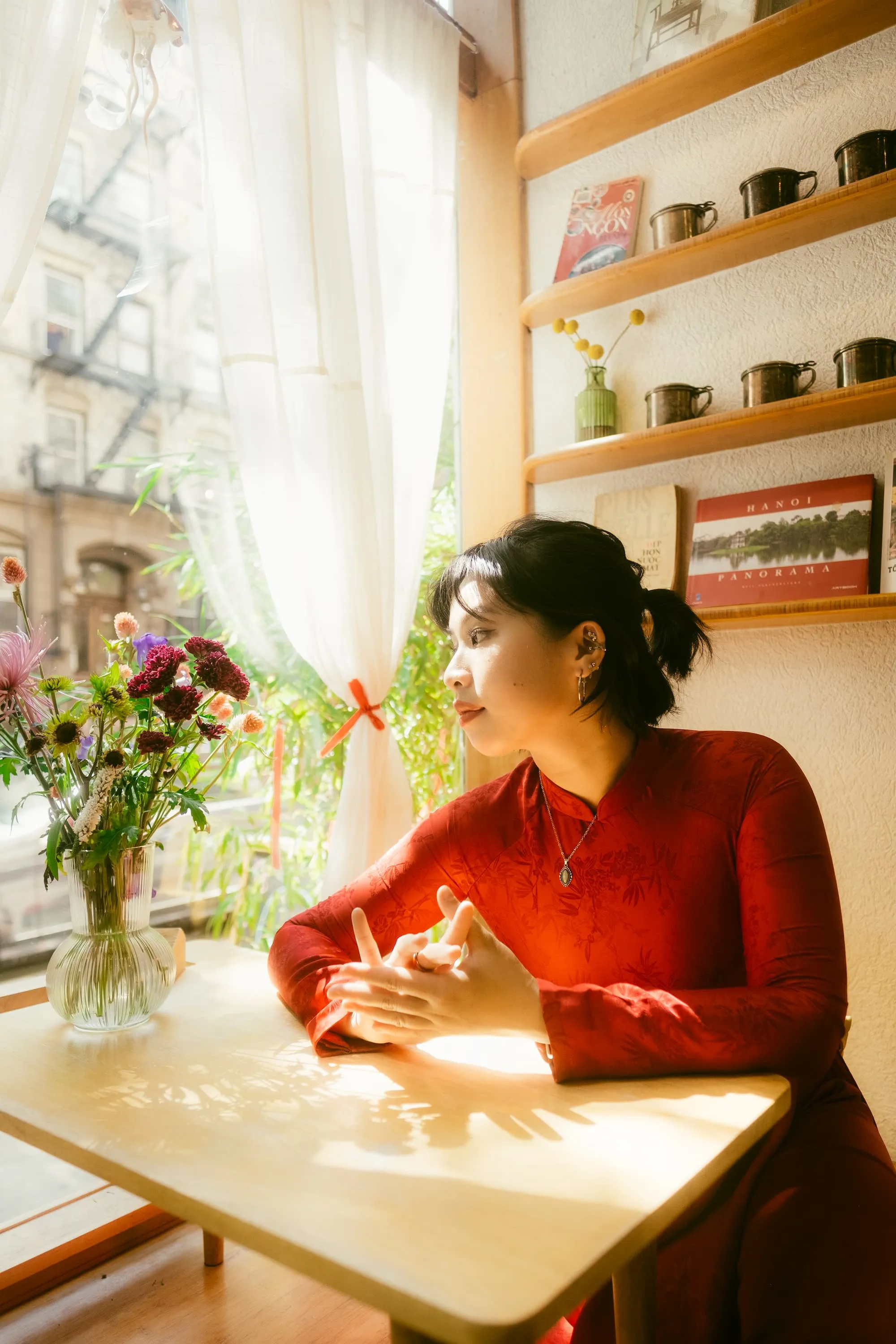
“I learned that you’re not just drawing. You’re shaping the way you think of and perceive the world.”
Still, Truong struggled with her inability to use her practice to help others, something that came easy to her parents and relatives. She knew the importance of using her career to benefit the world around her, and each time she spoke to her parents over the phone, they reminded her to be good to other people. She’d made the decision to follow her heart, but needed to find a way to use her developing skills as an artist to create a sense of community.After finishing school, Truong followed an opportunity to move to New York City, and her life started to come together. Upon arrival, she discovered that many Vietnamese people in her generation had come to the city a few years before her to make a name for themselves in America. They had fought through creating a sustainable lifestyle, and now looked to bring some of their culture to New York. For the first time, Truong saw other Vietnamese people embracing aspects of their cultural upbringing while leaving behind others in a way that felt positive and celebratory. She began surrounding herself with communities of friends and creatives from a variety of cultural backgrounds, feeling increasingly closer to her own roots.
“They were trying to elevate what is defined as Vietnamese culture. They also left home to pursue opportunities here. We’re different from the first generation of immigrant people, asylum refugees, or asylum seekers. We have it easier in a way, but at the same time, the emotional aspect is like a shared trauma that we all have in this community. We became each other’s siblings. It’s like a very open sort of family where people come and go. My chosen family are my friends and people that I work with.”
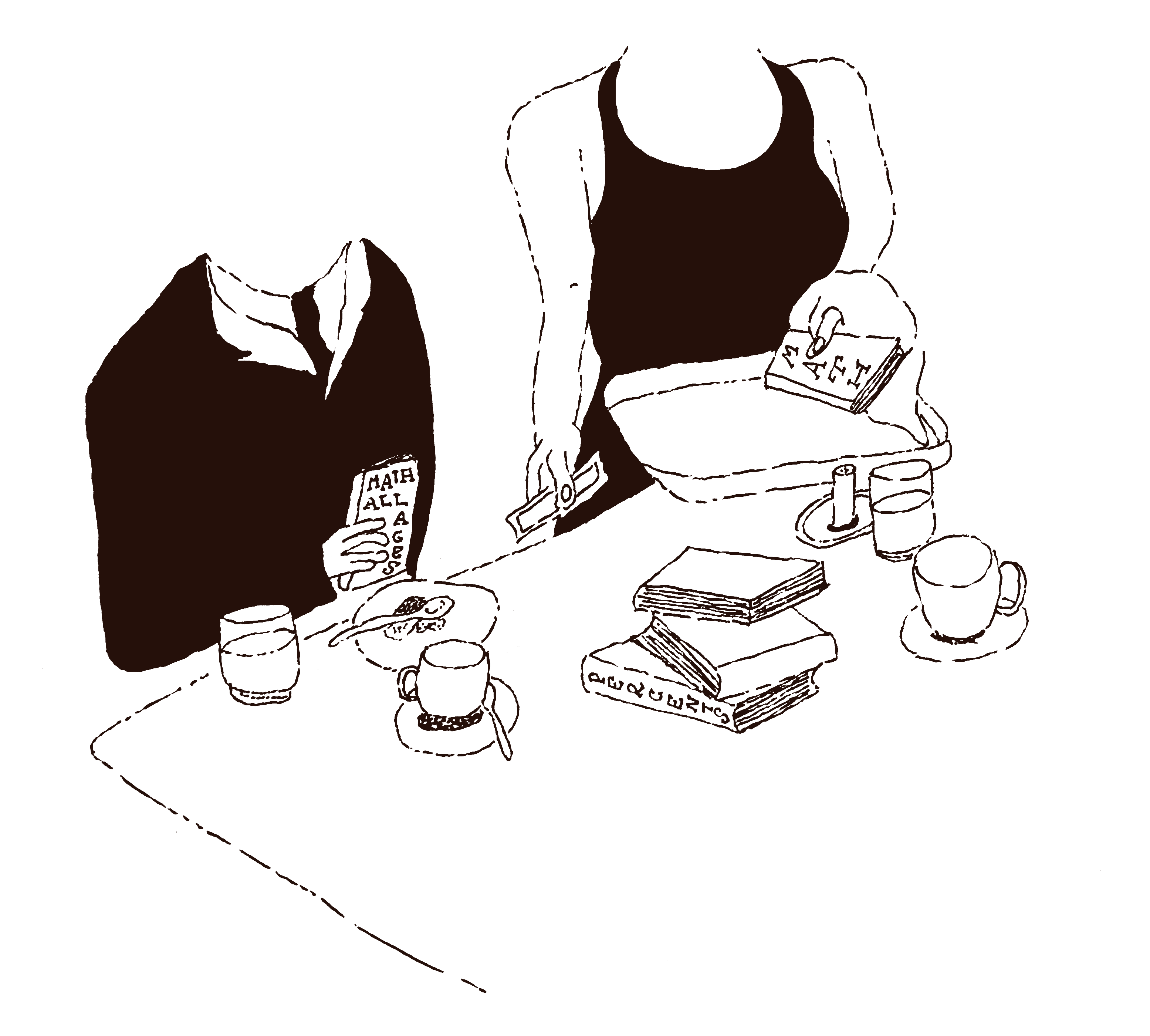
Wanting to join the creative surge initiated by these new businesses, Truong volunteered her help to her growing group of friends. As a longtime lover of Vietnamese food, she gravitated towards emerging restaurants that needed support in creating an alluring and authentic visual brand identity. She jumped around the city, getting referred from one entrepreneur’s project to another, helping their businesses with logos and design development and immersing herself in the food and beverage industry. By working with others from her home country and all over the world, she found joy in embracing her culture through her art.
“We view food and beverage as not just the service industry but as an art form. All of these people, they're immigrants like me. They're international students, so they're around my age, and they started these projects because they just really missed the taste of home. They wanted to reenact their experience.”
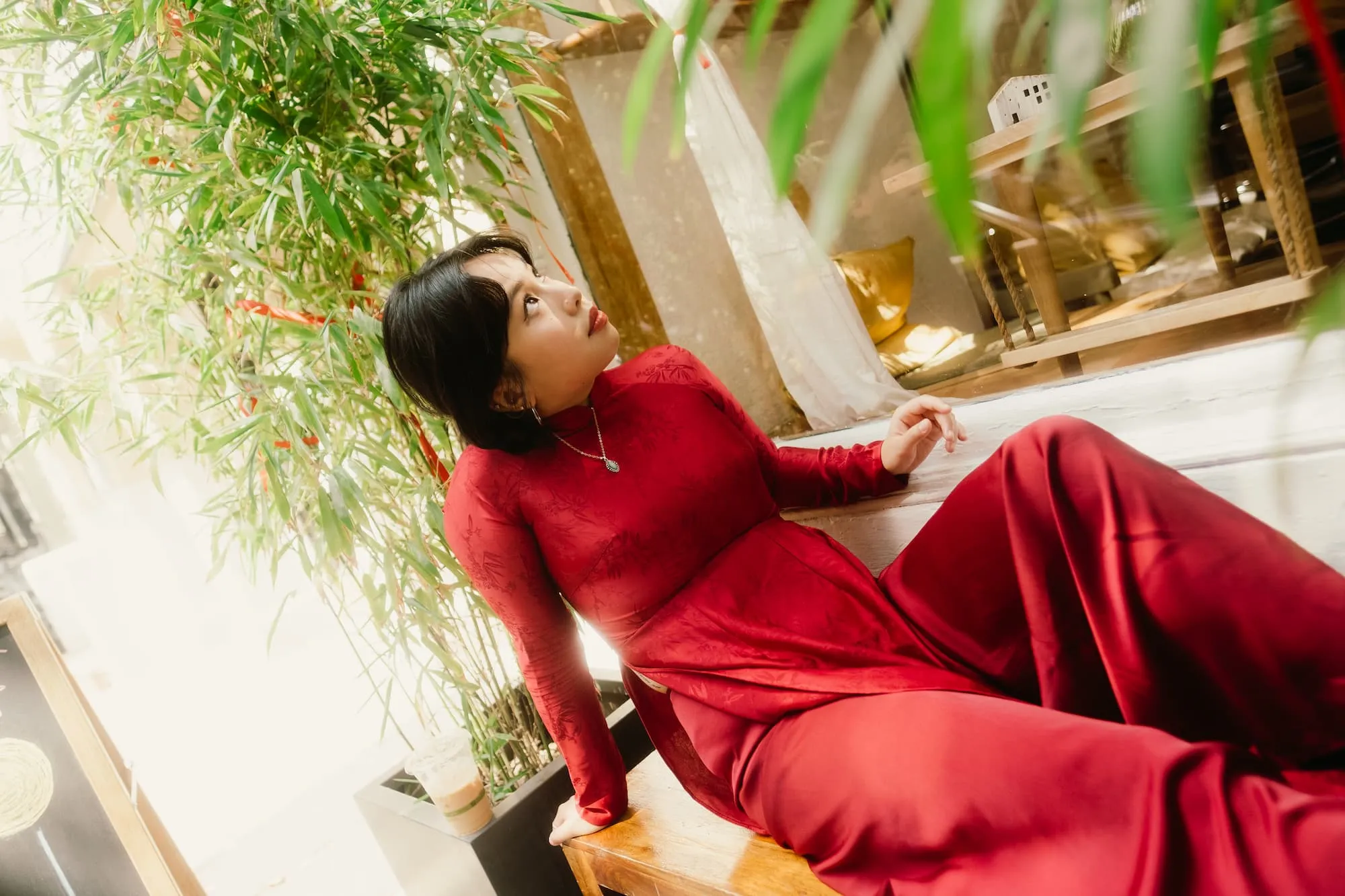
During her first two years living in the city, Truong held corporate day jobs and spent time outside of work finding projects and people to connect with, always staying close to her Vietnamese roots. Food became the medium by which she could bring elements of her past into her present life, using mixed media as her toolbox.
“I love to go to restaurants, and if people make something good, I will go to the chef and thank them: ‘Thank you for feeding me. It means a lot that you're able to cook this good.’ I love to eat, so I am going to find more places to work where I love to eat.”
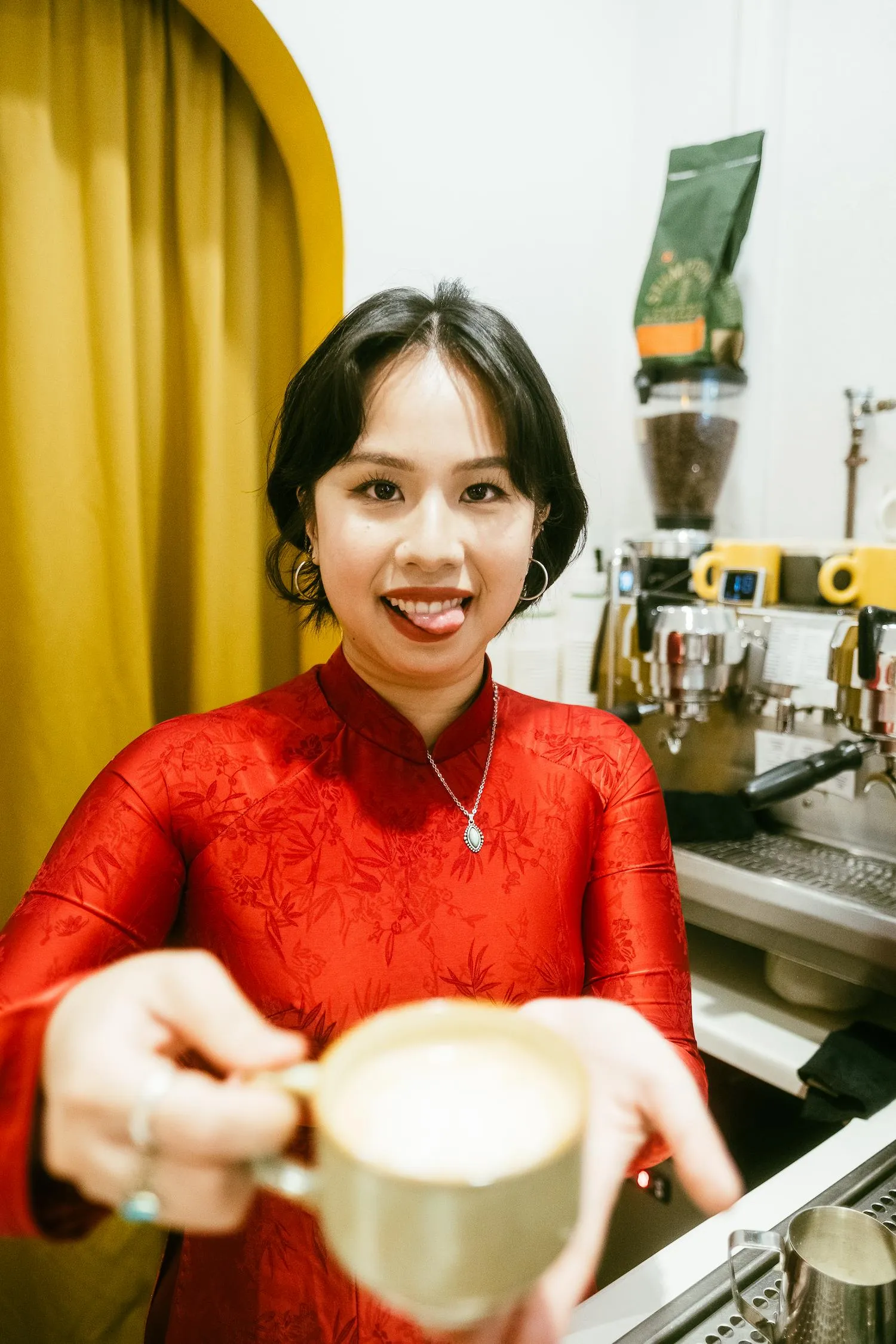
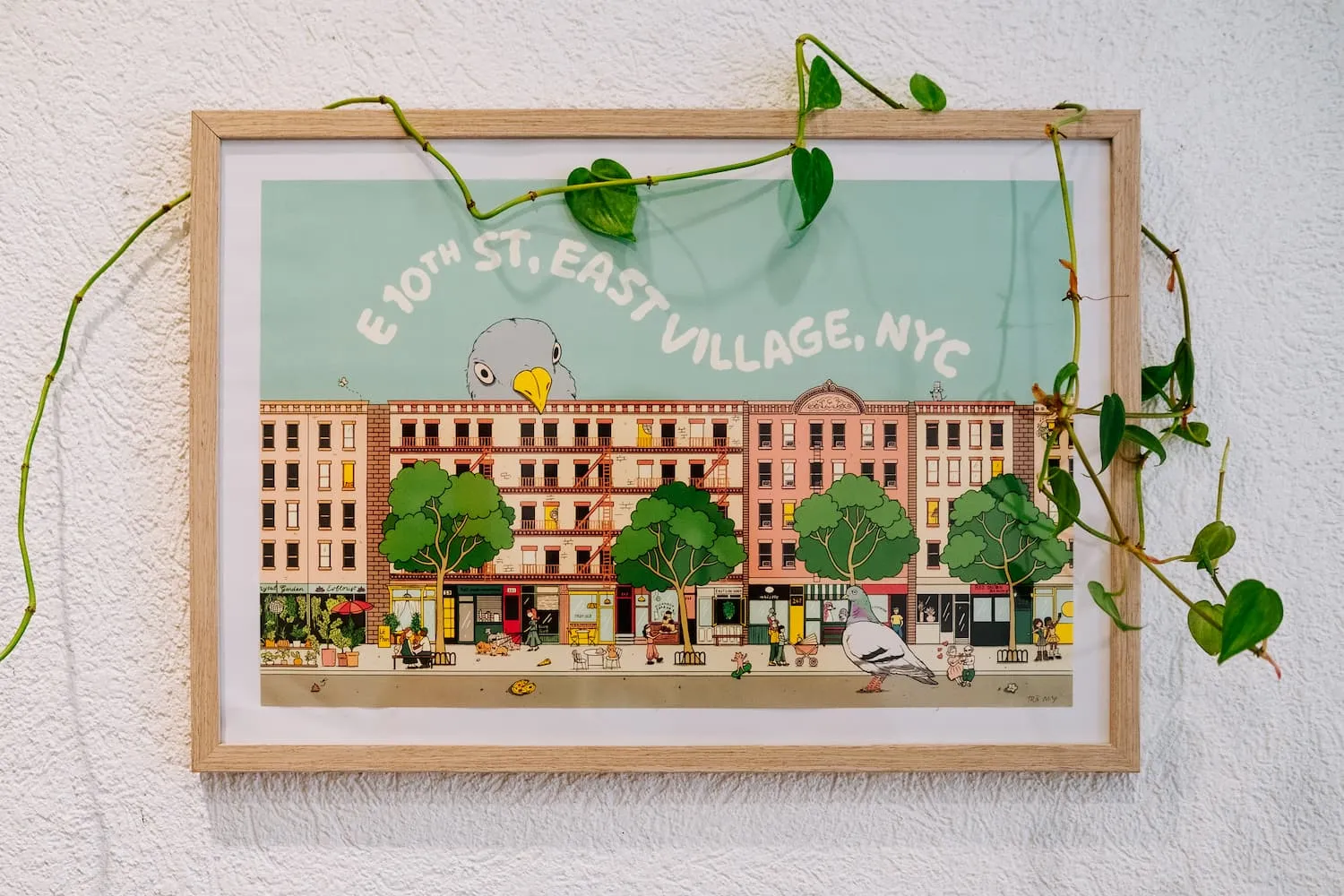
In 2022, Truong stumbled upon Lê Phin, a Vietnamese coffee shop in the East Village. Immediately feeling at home in the warmly lit space, she made it a regular hangout spot and befriended the staff. Wanting to help develop the shop’s branding, she remade their choking hazard poster in her own style, and eventually helped the café’s logo shine through coffee cup label designs and menu improvements. When she was laid off from her day job in the fall of 2024, she started working at Lê Phin as a barista, making drinks she used to enjoy back in Vietnam with her family and serving regulars she viewed more as friends than customers.
“I was so bad the first two weeks. I kept spilling things and breaking shit. It was insane the amount of coffee I made that tasted bad. At first I really thought, ‘Maybe some people are born to do different things. I am not born to do this.’ Luckily, everyone was very patient with me. I used to open syrup bottles by biting the wrapping off, and my boss would be like, ‘Throw that shit away. That’s going off your paycheck because you almost contaminated a whole entire coffee shop.’ Working there taught me discipline from the ground up.”
Getting to work with the café to elevate their marketing designs and working behind the counter gave Truong a direct insight to the server life while understanding the greater survival tactics a New York food and beverage establishment has to think of.
“New York is such a competitive food world — it’s not enough to make good coffee, you have to smile. Working there has made me less rigid and conservative, and more flexible and empathetic to people, even when they really piss me off. Plus, I now have a theory that people who don't tip well reincarnate into those big, angry dogs that their owners can't tame.”
Coming up on three years in New York, Truong looks around her and sees a family of friends and creatives she gets to learn from and help in her own way. Through word of mouth and referrals, she’s gotten to work with popular brands like Laz’s Ice Cream, Levain Bakery, and Pollinator Spirits to advance their brand identity and bring their ideas to life. Regardless of the number of projects she continues to take on, she always feels most excited to bring her creative energy to the city’s food world. Recently, she redesigned the menus for Antidote, a Chinese restaurant in Williamsburg founded by creatives in her generation. The team reflects her values of care-forward food service, and she feels at home amongst the deeply cultural approach to dishes she’s grown to adore in New York. Her designs showcase raw ingredients oriented, organized, and stamped across the page in different colors that define appetizers, entrees, and other areas of the menu.
“The way that Chinese restaurants usually work is that ingredients are already chopped up, ready to be plunged in the wok because you have to serve a dish in less than 10 minutes. Most things on the menu are usually the same combination of aromatics, just a change in protein or sauce. Other than that, it's pretty much the same recipe. I felt like my brain was attracted to that process of making something. That's how I came up with the pattern design, because it ties everything together and reflects what the restaurant does differently. That’s how I approach other projects, too. Even if they're different mediums or have different final outcomes, it starts with a basic fascination with the story the brand is telling.”
beverage as not just
the service industry,
As Truong dives further into her work as a designer, she’s honing her role as a creative vessel through which others can tell their story. When she decided to become an artist, she had no idea how she would bring her family’s humanitarian values into her practice. Now, when she connects with someone working on a food-based project, she commits herself to elevating their mission through her eye as a designer, using her art to give back to the community. Her version of success comes from investing in inspiring friendships and delicious restaurants. Remembering the early opportunities she received from people who’d arrived in New York before her, she looks forward to bringing the same warm welcome to others who will follow in her footsteps.
“I just want to blur the line between art design and food, and reimagine our spaces for the next generation of creatives, for whatever field they desire to be in. You don't necessarily need to be signed with a major publication, or have your work on the cover of the New York Times to be a successful creative. There are opportunities that we could create with spaces that people frequent every single day.”
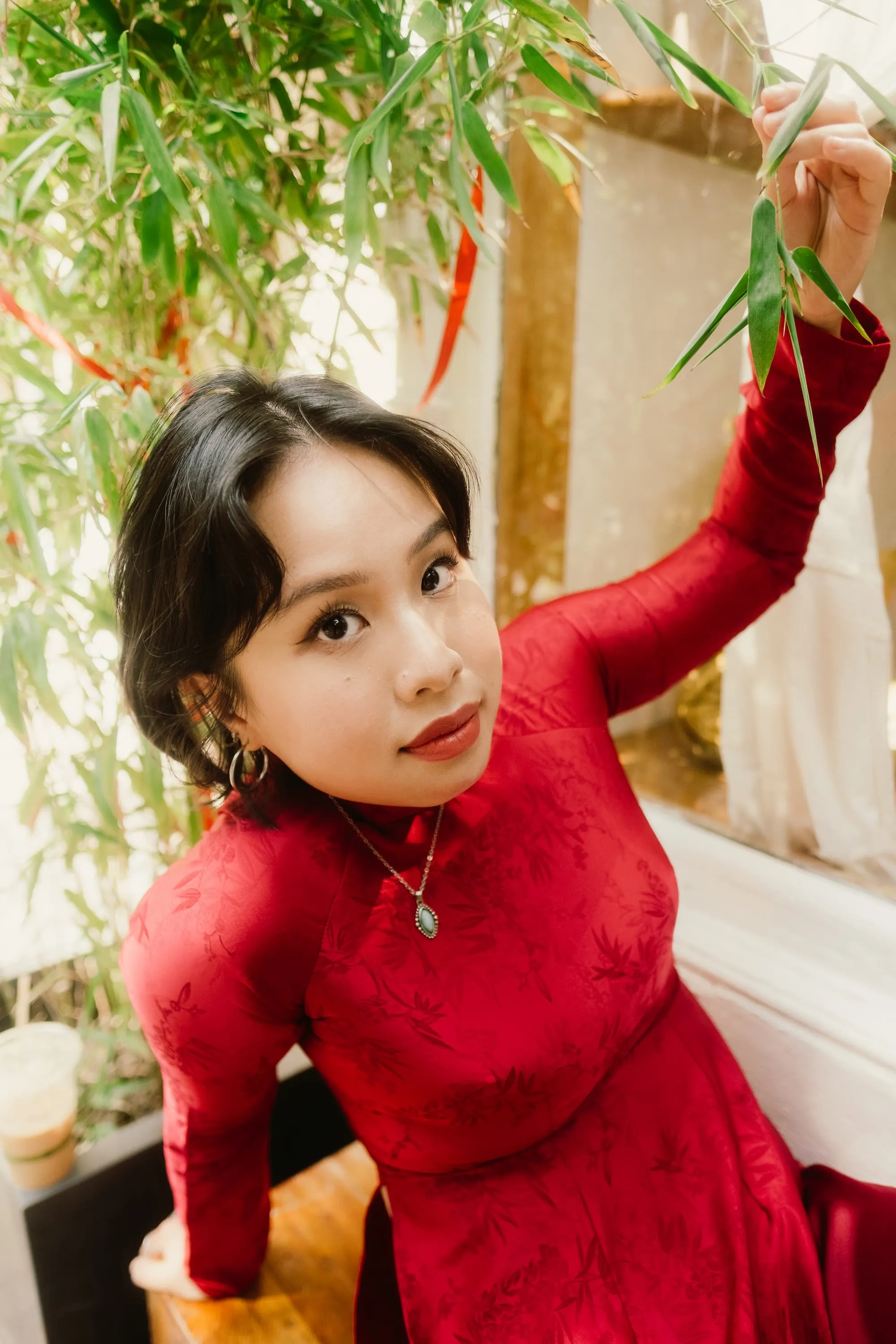
Truong is a long way from her post-biology shower breakdowns at Denison. She is creating an authentic name for herself in the spaces she sees as home, looking forward to the next meal that makes her sneak into the kitchen to thank the chef. She’s found that being true to her passions has allowed her to feel connected to both her family and current community. Life in New York is far from perfect, but it certainly feels like the one she’s meant to be living.
“The subway is now my favorite place to cry. But you can’t always cry there, because there’s crazy people stealing the thunder from your main character moment. So I’ll just cry in my closet if I need to. It’s okay.” ∎